EN

Converting an Existing Dry Box into a Reefer: The Underslung Retrofit Path
Converting an Existing Dry Box into a Reefer: The Underslung Retrofit Path
A fleet does not always get to specify refrigeration at the point of purchase. Many boxes are already running, already depreciated, and already paid for — and a new reefer truck is often a far heavier investment than the cold-chain opportunity in front of the fleet deserves. Retrofitting an in-service box into a working reefer is usually the cheaper, faster path to the same capacity, and the underslung belt-driven unit is the architecture that makes the retrofit clean.
Why the Underslung Platform Fits a Retrofit
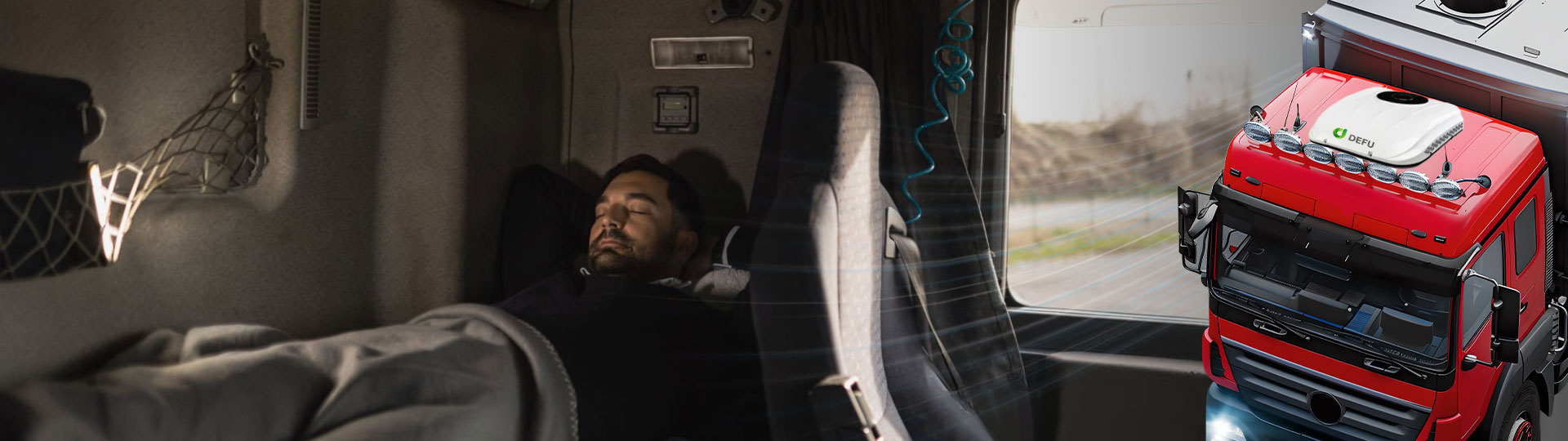
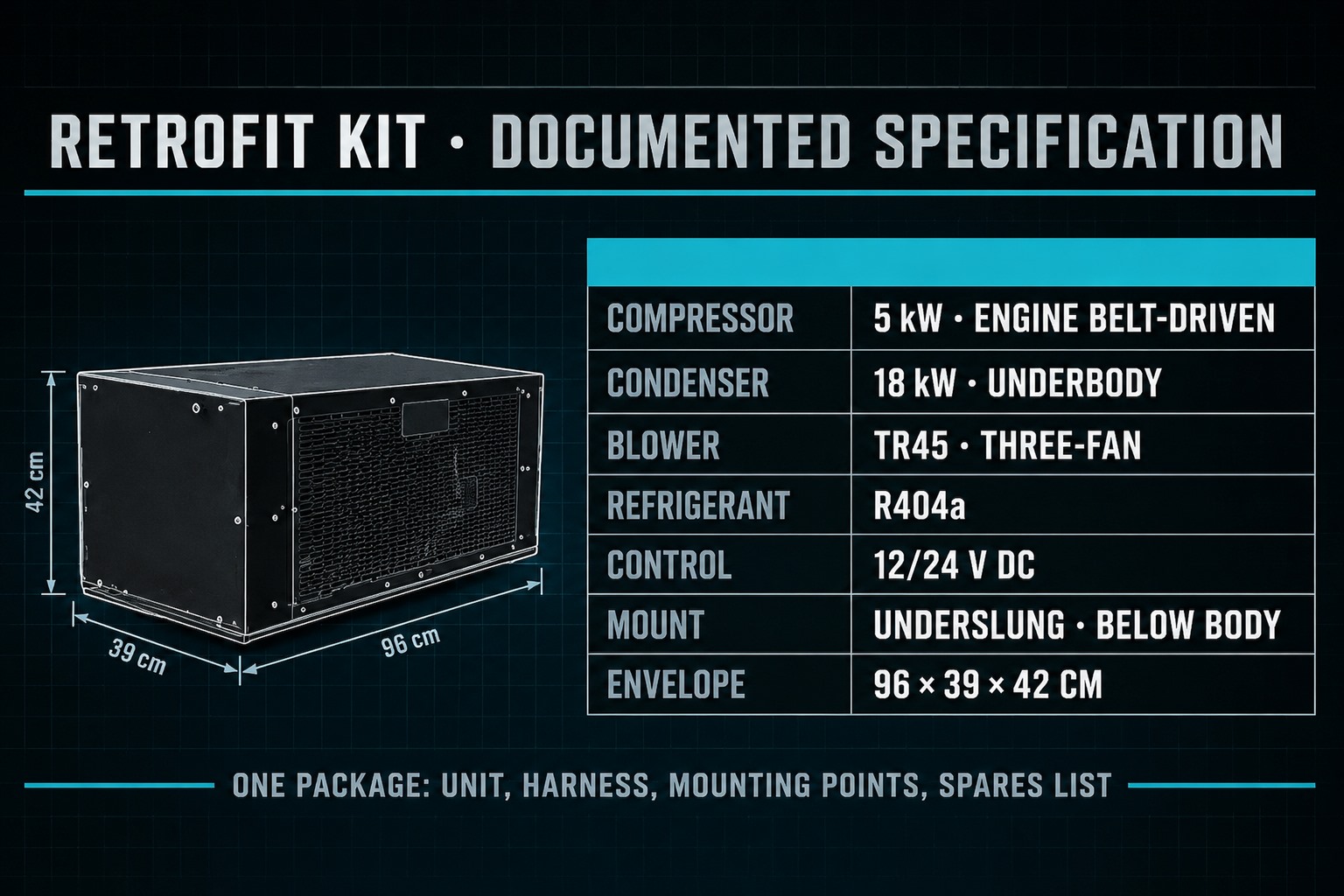
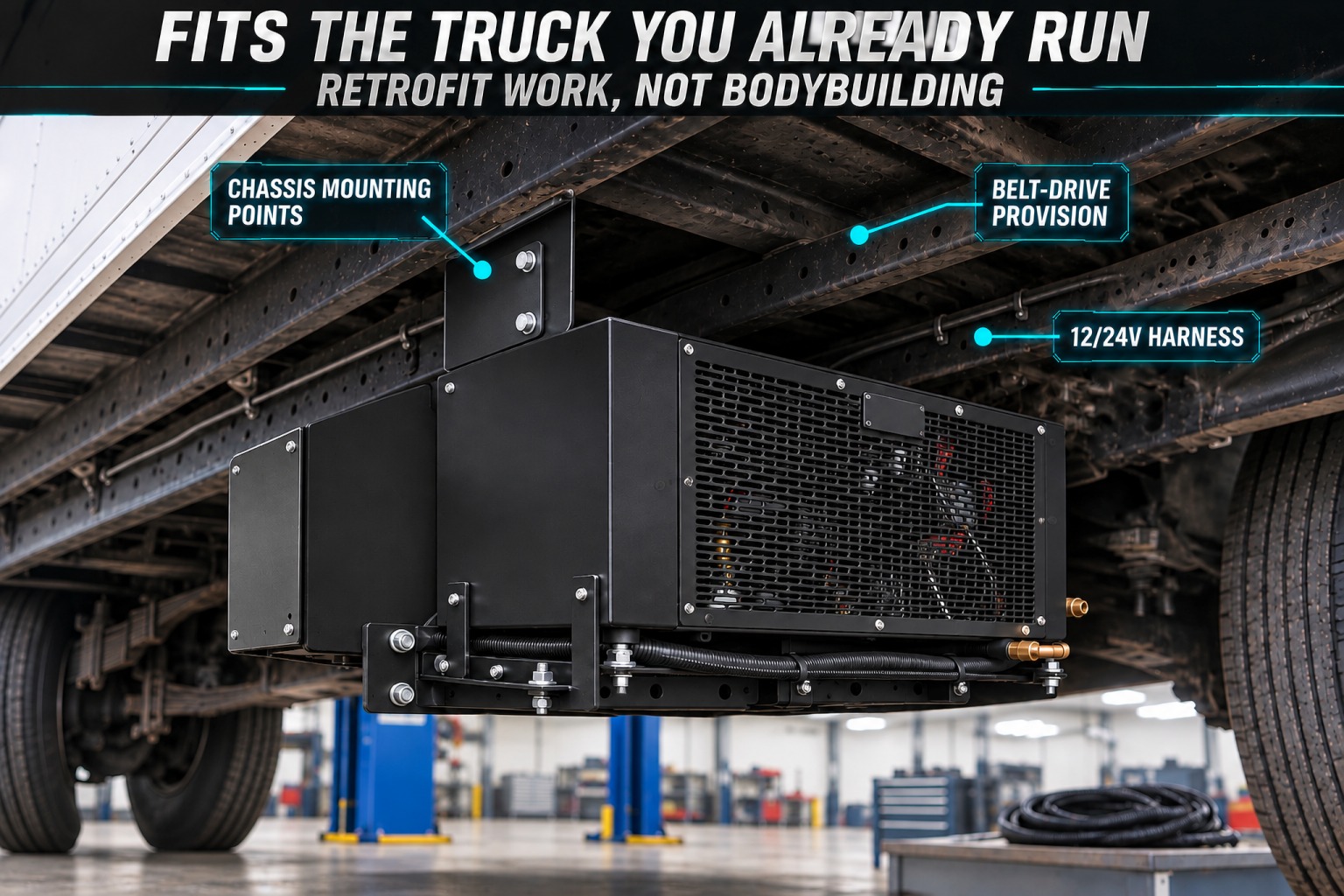
The DEFU underslung belt-driven unit mounts below the body, where a retrofit workshop can work without redesigning the box structure. It pairs a 5 kW engine belt-driven compressor with an 18 kW condenser, a TR45 three-fan blower, R404a and 12/24 V DC control — a complete, documented cooling package that fits onto a truck already in service. Because the load and plumbing sit under the body, the cargo volume above is preserved, and the job stays within a workshop that fits trucks rather than one that builds them.
What the Retrofit Workshop Should Plan
- Engine and belt drive: confirm the engine has the belt-drive provision and the mounting points to take the compressor; this is the make-or-break item on a retrofit.
- Condenser location and airflow: the underbody condenser needs protected, unobstructed airflow; plan the mount and the splash protection together.
- Electrical: the 12/24 V DC control must be matched to the truck’s supply; specify the controller, harness and fuse in the kit so the retrofit is repeatable.
- Spare-parts bench: a retrofit is only as good as its service path — hold the consumables that stop a truck (belt, receiver drier, sight glass, expansion valve, blower, controller) with the unit.
Retrofit vs. New: When the Box Wins
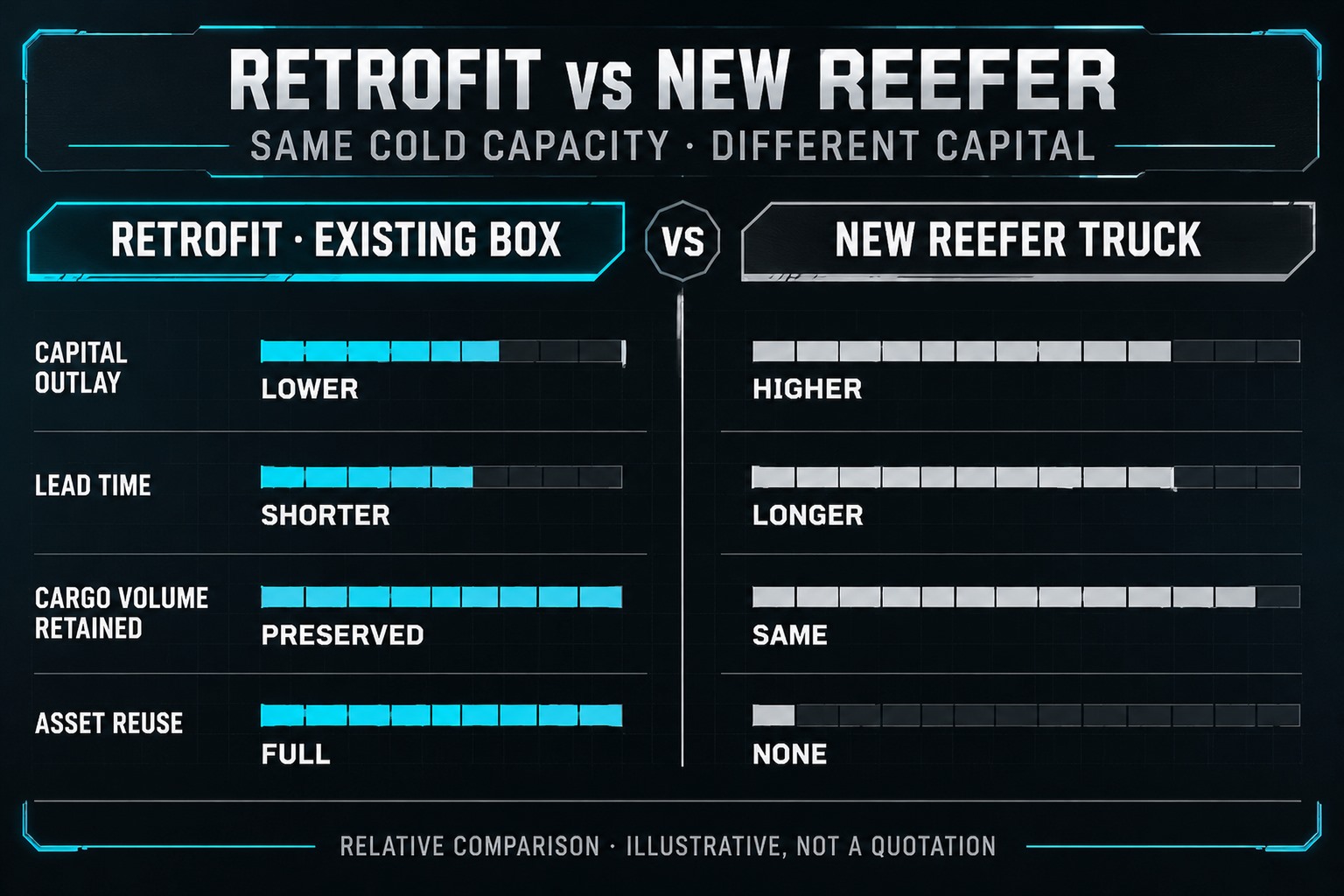
A new reefer truck buys a clean spec and a full warranty on the whole vehicle, but it also buys a whole truck you only needed cold. A retrofit buys cold capacity into an asset you already own, at a fraction of that cost, in a fraction of that lead time. Where the box is sound and the engine can take a belt drive, the underslung retrofit usually is the stronger financial move — and it keeps your current fleet productive during the season that justifies the cold chain in the first place.
Sequencing the Retrofit Job
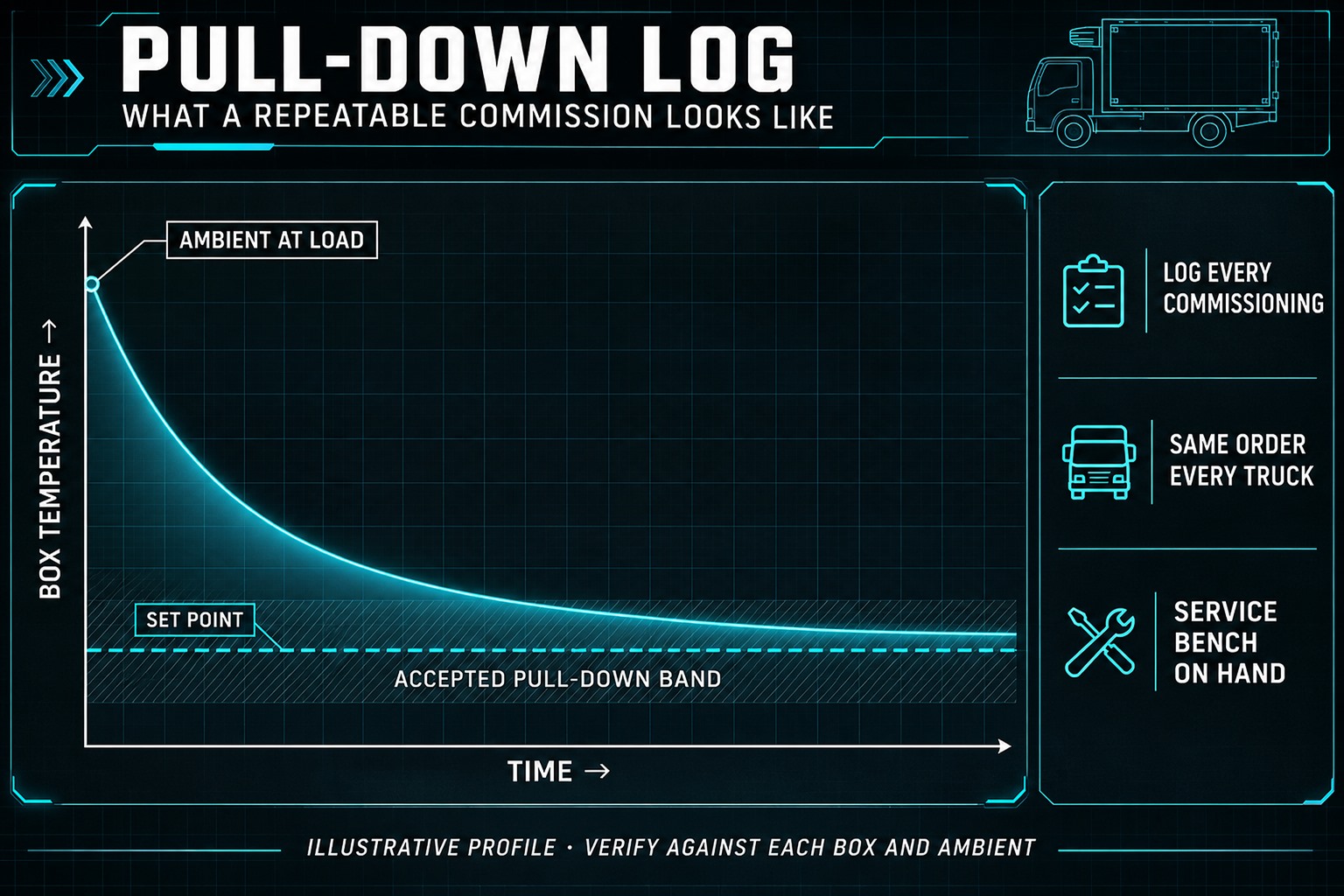
A clean retrofit follows a fixed sequence that keeps the truck on schedule. First, confirm the engine belt-drive provision and the underbody mounting points, because those two facts decide whether the underslung unit fits at all. Second, protect the condenser: in the underbody position it is exposed to road spray, stone and debris, so the mounting plan must include the splash shield and a clear airflow path from day one. Third, run the electrical: match the 12/24 V DC control to the truck supply, fit the controller and harness to the kit specification, and fuse it correctly. Finally, commission it the same way every time, log the pull-down, and load the spare-parts bench. A retrofit done in this order is repeatable, and repeatable is the word both a workshop and a fleet pay for.
The Numbers That Make the Retrofit the Cheaper Path
- No new truck: you are buying cold capacity into an asset you already own, not a whole new vehicle that only needed to be cold.
- Shorter lead time: an underslung retrofit completes in a workshop that fits trucks, without waiting for a new reefer to be built and delivered.
- Body preserved: the underbody mount leaves the cargo volume above intact, so the box keeps its payload and its existing insulation.
Frequently Asked Questions
- Does the engine need to be strong enough for the belt drive? The 5 kW belt-driven compressor draws a defined amount of power; confirm the engine and the belt provision in the audit before committing, which is the make-or-break check.
- Can we retrofit more than one box over time? Yes. Once the kit and the commissioning are standardized, each additional box is a repeat of the same sequence, which is where the per-truck cost keeps coming down.